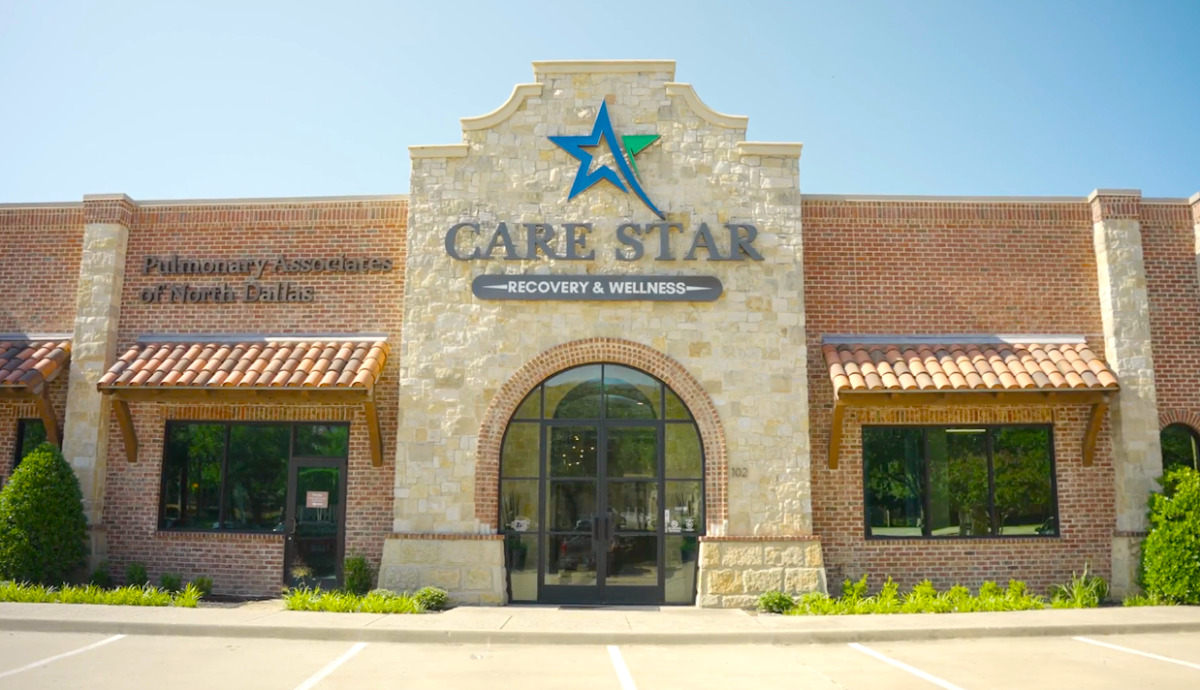
Dual diagnosis, also known as co-occurring disorders, refers to the condition where an individual struggles with both a mental health disorder and a substance use disorder simultaneously. This complex relationship between mental health and addiction can create significant challenges for individuals seeking recovery. In Dallas, TX, there are various treatment options available for those facing dual diagnosis, allowing for a holistic approach to healing and recovery.
이중 진단 이해하기
When a person experiences both a mental health disorder and a substance use disorder, it is vital to address both conditions simultaneously. This is because each disorder can exacerbate the other, making it difficult to achieve lasting recovery if only one is treated. For example, someone with depression may turn to alcohol as a coping mechanism, which can worsen their depressive symptoms and lead to a vicious cycle of substance use and mental health decline.
흔히 동반 발생하는 질환
In Dallas, many individuals seeking treatment for dual diagnosis may face several common co-occurring conditions, including:
- 우울증: Individuals may struggle with feelings of hopelessness, fatigue, and a lack of interest in activities they once enjoyed.
- 불안 장애: Conditions such as generalized anxiety disorder and panic disorder can lead individuals to self-medicate with drugs or alcohol.
- 외상 후 스트레스 장애(PTSD): Trauma survivors may use substances to alleviate flashbacks or anxiety related to their experiences.
- 양극성 장애: Those with bipolar disorder may experience extreme mood swings, leading to substance use as a means to cope with the highs and lows.
통합 치료가 중요한 이유
Integrated treatment is essential for individuals with dual diagnosis. This approach involves simultaneous treatment for both mental health and substance use disorders, ensuring that each condition is addressed in a comprehensive manner. Here are some reasons why integrated treatment is crucial:
- 전인적 치료: Treating both conditions together allows for a more complete understanding of the individual's needs and challenges.
- 개선된 결과: Integrated treatment has been shown to lead to better recovery rates, as individuals are less likely to relapse when both conditions are treated concurrently.
- Personalized Approach: Treatment plans can be tailored to the individual's unique circumstances, which can enhance engagement and motivation in recovery.
- 지원적인 환경: Integrated programs foster a sense of community, allowing individuals to connect with others who share similar experiences and challenges.
Finding Dual Diagnosis Programs in Dallas
For those in Dallas seeking dual diagnosis treatment, there are several options available. Here are some ways to find suitable programs:
- Research Local Treatment Centers: Many rehabilitation facilities in Dallas specialize in dual diagnosis treatment. Look for centers that offer comprehensive assessments and integrated care.
- Consult Healthcare Professionals: A therapist, psychiatrist, or primary care physician can provide referrals to reputable dual diagnosis programs.
- Utilize Online Resources: Websites such as SAMHSA's Treatment Locator can help you find local treatment centers that cater to dual diagnosis.
- Read Reviews and Testimonials: Hearing from others who have gone through treatment can provide valuable insights into the effectiveness of a program.
도움을 받는 방법
If you or a loved one is struggling with dual diagnosis in Dallas, taking the first step towards recovery is crucial. Here are some steps to help you get started:
- 도움이 필요하시면 연락주세요: Talk to a trusted friend or family member about your struggles. Having a support system can make it easier to seek help.
- Contact a Treatment Center: Call a local dual diagnosis treatment center to discuss your needs and schedule an assessment.
- Be Honest About Your Struggles: During the assessment process, be open and honest about your mental health and substance use history. This information is vital for developing an effective treatment plan.
- Participate in Aftercare: After completing a treatment program, engage in aftercare support groups or therapy sessions to maintain your recovery and prevent relapse.
Remember, recovery is a journey, and seeking help is a courageous first step. With the right support and treatment, individuals facing dual diagnosis can lead fulfilling, healthy lives.
Sober Network is a directory, not an intake form. Explore local facilities and contact providers directly.