Finding the right mental health and recovery support in Dallas can feel overwhelming given the variety of services available. Whether you or a loved one is seeking counseling, addiction recovery, or dual diagnosis treatment, understanding how to compare providers is crucial. This guide offers practical advice to help you evaluate options, ask the right questions, and verify current details so you can make informed decisions tailored to your needs.
Understanding Types of Mental Health and Recovery Services in Dallas
Dallas offers a broad spectrum of mental health and recovery services, including outpatient counseling, inpatient treatment, detox programs, and sober living environments. Some providers specialize in addiction recovery, while others focus on mental health disorders such as anxiety, depression, or trauma. Dual diagnosis programs address co-occurring disorders, combining mental health and substance use treatment. Knowing the type of care you need is the first step in comparison. For example, inpatient care requires qualified medical supervision and may involve detox and withdrawal management, where resources like 988 and SAMHSA can provide emergency support.
Key Factors to Consider When Comparing Providers
When evaluating mental health and recovery support in Dallas, consider these essential factors:
- Licensing and Accreditation: Verify that the provider is licensed by Texas health authorities and accredited by reputable organizations.
- Types of Services Offered: Ensure the provider offers the specific treatment or support you need, such as individual therapy, group sessions, or medication-assisted treatment.
- Staff Qualifications: Look for licensed therapists, counselors, and medical professionals experienced in your area of concern.
- Program Structure: Understand the length, intensity, and approach of the program to see if it fits your lifestyle and recovery goals.
- Aftercare and Support: Check if the provider offers ongoing support like relapse prevention or sober living referrals.
These factors help create a clear comparison framework tailored to your needs.
Practical Checklist for Comparing Dallas Mental Health Providers
- Confirm current licensing status through Texas Department of State Health Services.
- Ask about the provider’s experience with your specific condition or substance use.
- Request details on treatment methods and program duration.
- Inquire about medical supervision, especially if detox or withdrawal management is involved.
- Verify availability of emergency contacts like 988 and connections to SAMHSA resources.
- Check if insurance is accepted and what out-of-pocket costs may apply.
- Read recent reviews or testimonials from Dallas-area clients.
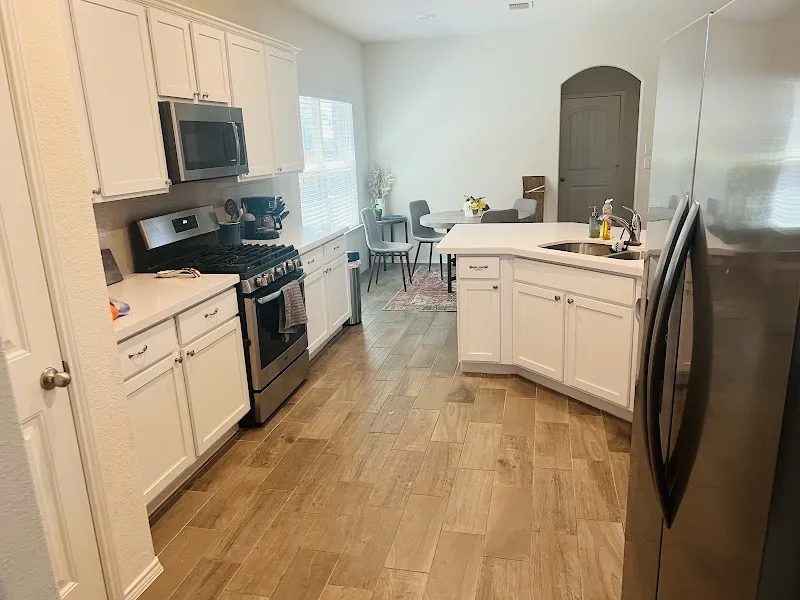
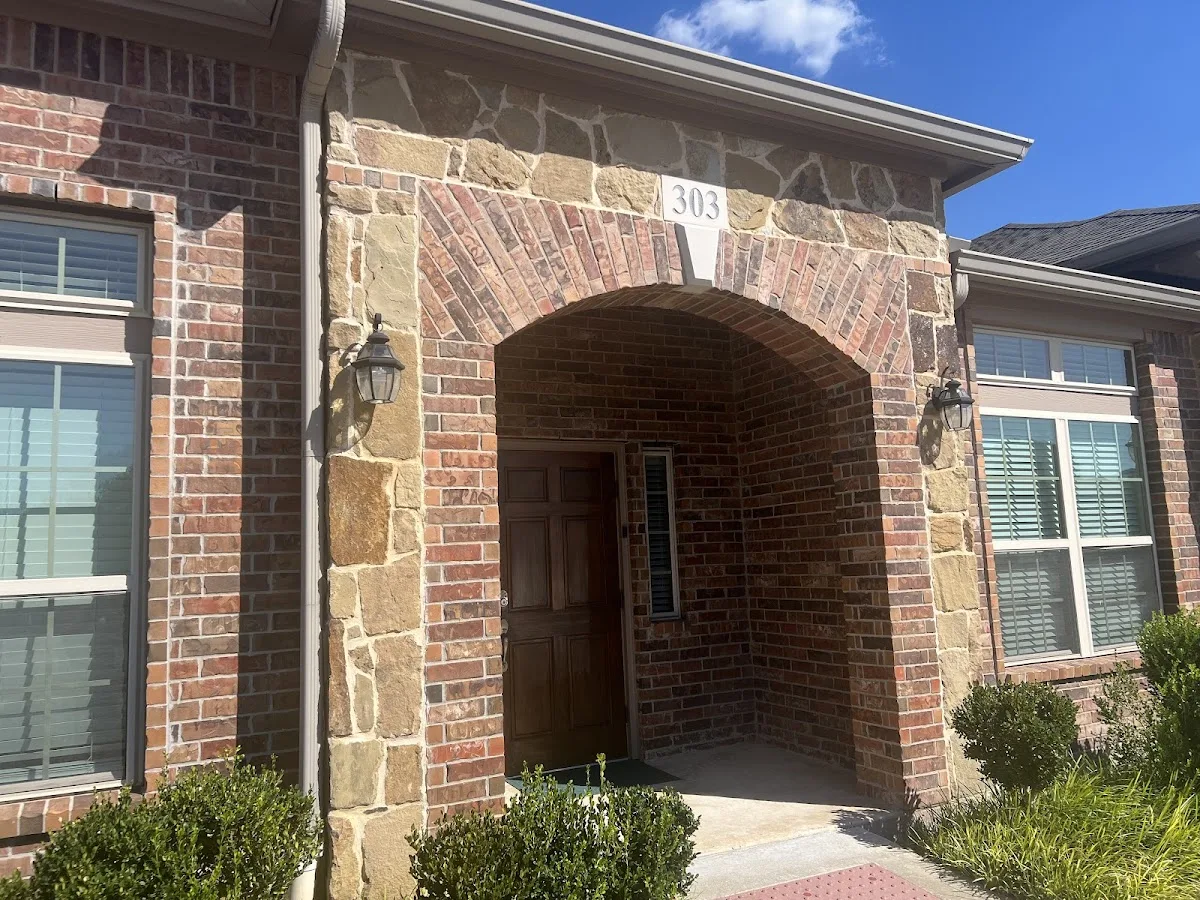
- Visit the facility if possible to assess the environment and staff interaction.
Questions to Ask Mental Health and Recovery Providers in Dallas
When contacting providers, these questions can help clarify their suitability:
- What licenses and certifications does your facility hold?
- Do you offer integrated treatment for co-occurring mental health and substance use disorders?
- How is medical supervision handled during detox or withdrawal phases?
- What types of therapy and support groups are included in your programs?
- Can you explain your aftercare services and relapse prevention strategies?
- Do you accept my insurance, and what are the payment options?
- How do you coordinate with emergency services like 988 or SAMHSA if needed?
Verifying Current Provider Information in Dallas
Provider details can change frequently, so it’s important to verify information before committing. Start by checking the Texas Department of State Health Services website for licensing updates. Contact providers directly to confirm program availability, costs, and insurance acceptance. You can also consult local Dallas recovery resources or directories such as those found on /resources or /treatment pages for updated listings. Additionally, organizations like SAMHSA maintain national treatment locators that include Dallas-area providers. Visiting the facility or attending an initial consultation can provide firsthand insight into the quality of care.
Additional Dallas Resources for Mental Health and Recovery Support
Dallas residents have access to various community and nonprofit organizations offering support beyond clinical treatment. Groups such as local chapters of Alcoholics Anonymous and Narcotics Anonymous provide peer support and meetings. The Dallas County Behavioral Health Authority coordinates services and can guide you to appropriate programs. For crisis situations, dialing 988 connects you to the Suicide & Crisis Lifeline, offering immediate help. Exploring these resources alongside professional treatment options can enhance your recovery journey.
Conclusion: Making Informed Choices for Mental Health and Recovery in Dallas
Comparing mental health and recovery support in Dallas involves understanding your needs, evaluating providers carefully, and verifying current information. Use the checklist and questions provided to guide your research and conversations with providers. Remember to consider licensing, treatment approaches, medical supervision, and aftercare services. Leveraging local resources and emergency contacts like 988 and SAMHSA ensures you have comprehensive support. With thorough comparison and informed decisions, you can find the right Dallas-based care to support your mental health and recovery goals.
Sober Network is a directory, not an intake form. Explore local facilities and contact providers directly.