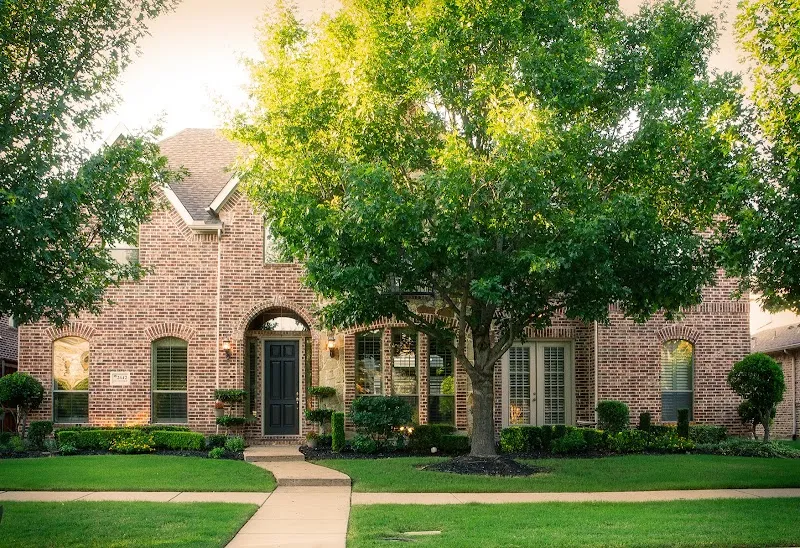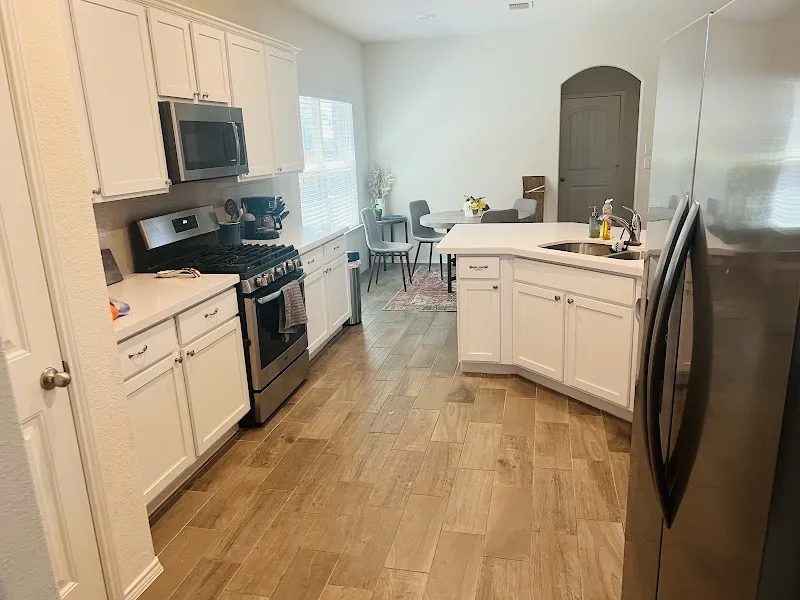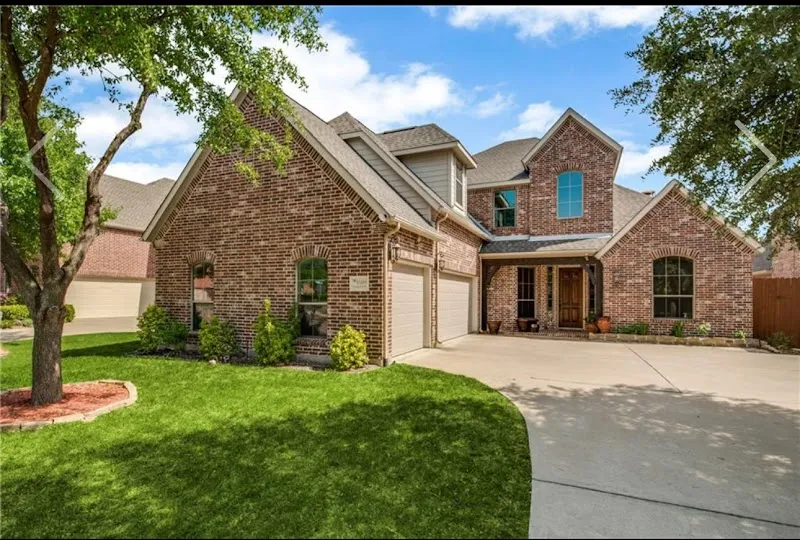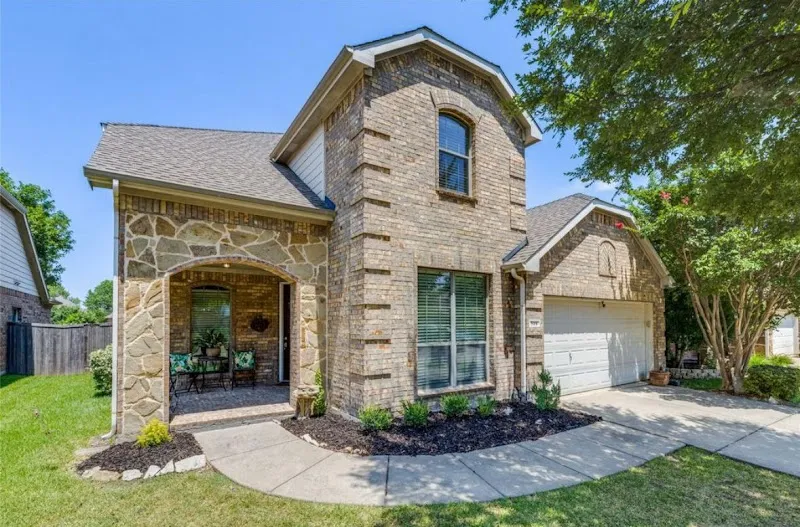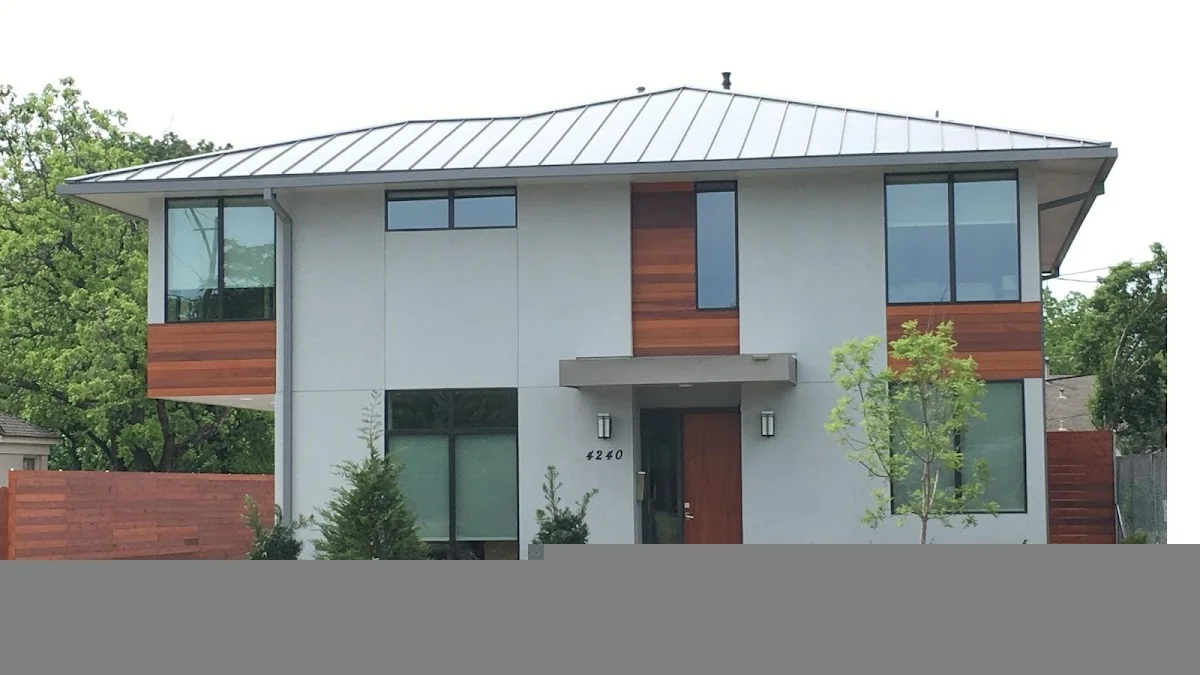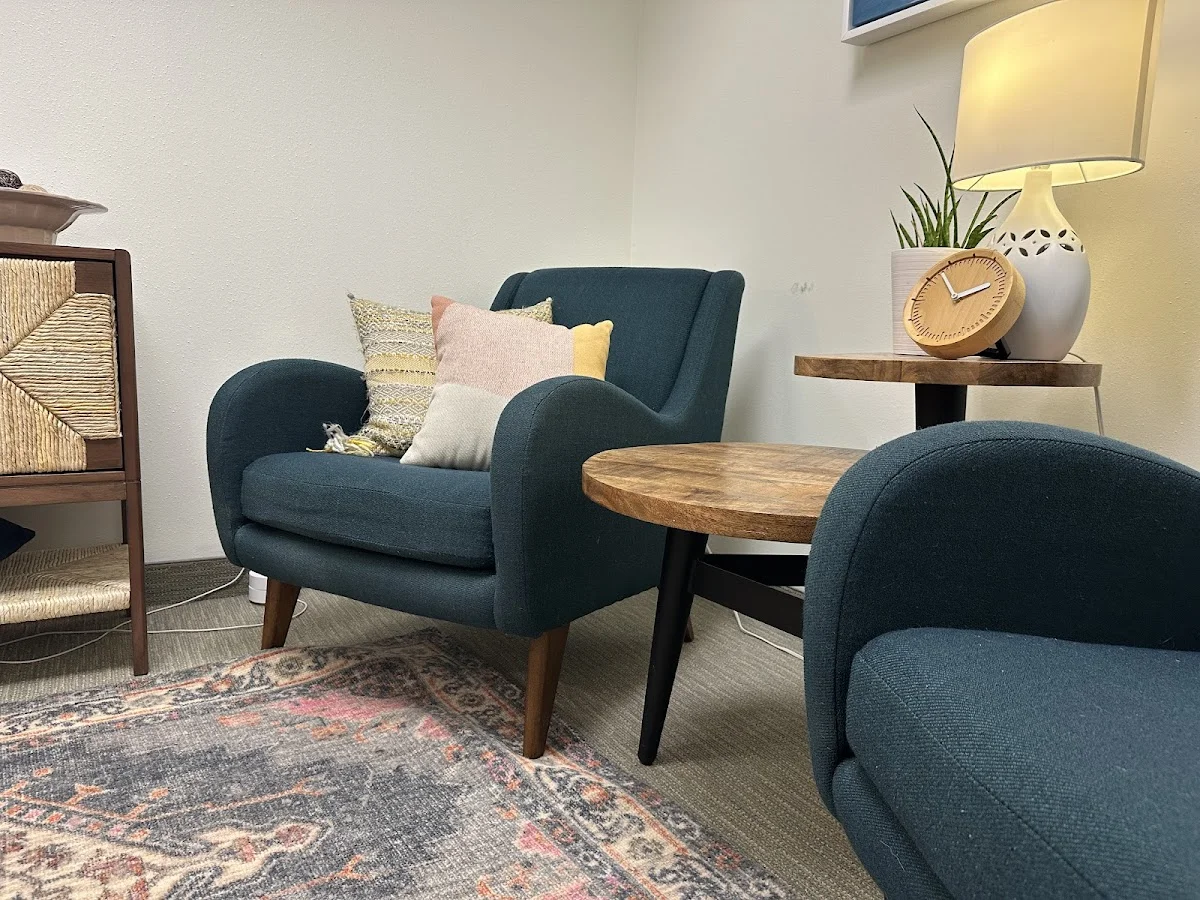
Finding the right sober living environment is a crucial step in a man's journey to lasting recovery. Dallas-Fort Worth (DFW) offers a variety of men's sober living homes designed to provide the structure, support, and accountability needed to navigate early sobriety. This guide will help you understand the landscape of men's sober living in the DFW area, covering key locations, costs, house rules, and how to find a reputable home that fits your needs.
The Power of Accountability and Brotherhood in Men's Sober Living
Men's sober living homes create a unique environment of accountability and brotherhood. Living alongside other men who are committed to sobriety provides constant peer support and encouragement. This shared experience fosters a sense of belonging and reduces feelings of isolation, a common trigger for relapse. The accountability aspect is essential; knowing that your actions affect not only yourself but also your housemates can be a powerful motivator to stay on track. The bond forged within these homes often extends beyond the stay, creating a lasting network of support.
Key Areas for Men's Sober Homes in DFW
DFW is a sprawling metroplex, and the location of a sober living home can significantly impact your recovery experience. Here are some key areas to consider:
- Dallas (Proper): Offers access to a wide range of recovery resources, including 12-step meetings, treatment centers, and mental health professionals. Neighborhoods like Oak Lawn, Uptown, and Lakewood are popular and often have homes within walking distance of support services.
- Plano: Known for its family-friendly atmosphere and strong community. Offers a quieter environment compared to Dallas proper, with access to job opportunities in the corporate sector.
- Irving: Located near DFW International Airport, Irving provides convenient access to transportation and a diverse job market, particularly in the logistics and hospitality industries.
- Garland: A more affordable option than some of the other areas, Garland offers a mix of residential and commercial areas, with access to job opportunities in manufacturing and retail.
- Mesquite: East of Dallas, Mesquite provides a suburban setting with a strong sense of community. Offers access to job opportunities in the healthcare and transportation sectors.
Typical Costs of Men's Sober Living in DFW
The cost of men's sober living in DFW can range from approximately $600 to $2,000 per month. The price often depends on factors such as location, amenities, level of structure, and whether meals are included. Generally, homes closer to the city center (Dallas) or in more affluent suburbs (Plano) tend to be more expensive. It's crucial to inquire about all costs upfront, including move-in fees, security deposits, and any additional charges for drug testing or other services.
House Rules and Expectations
Sober living homes operate with specific rules and expectations designed to promote a safe and supportive environment. Common rules include:
- Sobriety Requirements: Zero tolerance for drug and alcohol use. This is the cornerstone of any reputable sober living home.
- Curfews: Curfews are common, especially in the early stages of residency, to ensure residents are safe and accountable.
- Meeting Attendance: Regular attendance at 12-step meetings (AA, NA, CA) or other recovery support groups is typically mandatory. The number of required meetings varies.
- Employment Expectations: Residents are usually expected to seek and maintain employment or participate in job training programs. Some homes offer assistance with job placement.
- House Chores: Residents are responsible for maintaining the cleanliness and order of the house through assigned chores.
- Respect for Housemates: Respectful communication and behavior are essential for creating a positive living environment.
- Drug Testing: Regular drug testing is conducted to ensure compliance with the sobriety requirement.
Structured vs. Oxford-Style Men's Homes
Sober living homes generally fall into two categories: structured and Oxford House-style.
- Structured Homes: These homes typically have on-site staff, such as house managers, who provide guidance and support. They often have more rigid rules and regulations, along with structured activities like group therapy or workshops.
- Oxford House-Style Homes: These are self-run, democratically managed homes where residents collectively make decisions about house rules and finances. They offer more autonomy and require a higher level of self-discipline. Oxford Houses are a national model and are generally more affordable than structured homes.
The Dallas 12-Step Community: A Powerful Ally
Dallas boasts a vibrant and supportive 12-step recovery community. This strong network provides numerous opportunities for connection, fellowship, and sponsorship. Many sober living homes are strategically located near active meeting locations, making it easy for residents to integrate into the local recovery scene. The availability of numerous meetings throughout the day and week ensures that residents can find a meeting that fits their schedule and needs.
Job Market Access from Different DFW Locations
The location of your sober living home can influence your access to job opportunities. Here's a brief overview:
- Dallas: A diverse job market with opportunities in finance, technology, healthcare, and hospitality.
- Plano: Strong corporate presence, particularly in the technology and telecommunications sectors. Major employers include Toyota North America, Liberty Mutual Insurance, and JPMorgan Chase.
- Irving: Proximity to DFW International Airport and numerous corporate headquarters provides opportunities in logistics, transportation, and hospitality.
- Garland: Manufacturing, retail, and service industries are prominent.
- Mesquite: Healthcare, transportation, and manufacturing offer employment opportunities.
Drug Testing Policies and Frequency
Drug testing is a standard practice in men's sober living homes to ensure compliance with the sobriety requirement. The frequency of testing varies, but it typically ranges from one to three times per week. Testing methods may include urine analysis, breathalyzer tests, or saliva swabs. It's crucial to understand the drug testing policy before moving in, including the consequences of a positive test.
Finding Legitimate Men's Sober Homes in DFW
Finding a reputable sober living home is essential for a successful recovery experience. Here are some tips:
- Ask for Referrals: Reach out to treatment centers, therapists, or recovery support groups in the DFW area for recommendations.
- Online Directories: Utilize online directories of sober living homes, but be sure to verify the information independently.
- Visit the Home: Schedule a visit to the home to meet the staff and residents, and to get a feel for the environment.
- Check for Accreditation: Some sober living homes are accredited by organizations such as the National Alliance for Recovery Residences (NARR). Accreditation indicates that the home meets certain standards of quality and safety.
- Read Reviews: Look for online reviews of the home, but be aware that reviews can be biased.
Questions to Ask Before Moving In
Before committing to a men's sober living home, ask the following questions:
- What are the monthly costs, including all fees?
- What are the house rules and expectations?
- What is the drug testing policy and frequency?
- What support services are offered (e.g., counseling, job placement assistance)?
- What is the staff-to-resident ratio?
- What is the average length of stay?
- What is the process for addressing conflicts or issues within the house?
- What is the policy on visitors?
- Is the home accredited or certified by any organization?
- Can I speak with current residents to get their perspective?
Choosing a men's sober living home is a significant decision. By carefully researching your options and asking the right questions, you can find a supportive and structured environment that will help you build a strong foundation for long-term recovery in the Dallas-Fort Worth area.
More Recovery Resources in Dallas
Sober Network is a directory, not an intake form. Explore local facilities and contact providers directly.