Medication-Assisted Treatment (MAT) offers a comprehensive and evidence-based approach to overcoming addiction, combining the power of medication with the support of counseling and behavioral therapies. In Dallas, TX, numerous resources are available to individuals seeking this potentially life-changing treatment option. This guide explores the core elements of MAT, the medications involved, how it integrates with therapy, where to find providers in Dallas, insurance coverage, addressing stigma, and the overall success and benefits of MAT.
What is Medication-Assisted Treatment (MAT)?
MAT is a treatment approach primarily used for opioid use disorder (OUD) and alcohol use disorder (AUD). It involves the use of medications approved by the Food and Drug Administration (FDA) in combination with counseling and behavioral therapies. The goal of MAT is to reduce cravings, prevent withdrawal symptoms, and ultimately help individuals achieve and maintain long-term recovery. It's important to understand that MAT isn't simply replacing one substance with another; it's a medically supervised and comprehensive treatment plan designed to stabilize brain chemistry and promote healthier behaviors.
Medications Used in MAT
Several medications are commonly used in MAT, each working in different ways to address addiction:
Suboxone (Buprenorphine/Naloxone)
Suboxone is a combination medication containing buprenorphine and naloxone. Buprenorphine is a partial opioid agonist, meaning it binds to opioid receptors in the brain but doesn't produce the same intense high as full opioid agonists like heroin or fentanyl. This helps reduce cravings and withdrawal symptoms. Naloxone is an opioid antagonist added to prevent misuse by injection. If Suboxone is injected, the naloxone will block the effects of opioids, causing withdrawal symptoms.
Methadone
Methadone is a full opioid agonist, but it's long-acting, meaning its effects last for 24-36 hours. It's dispensed daily at certified opioid treatment programs (OTPs). Methadone helps to prevent withdrawal symptoms and reduce cravings, allowing individuals to focus on counseling and other aspects of their recovery. Due to its potential for misuse, it is highly regulated and requires careful monitoring.
Naltrexone (Vivitrol)
Naltrexone is an opioid antagonist that blocks the effects of opioids. It's available in both oral (ReVia, Depade) and injectable (Vivitrol) forms. Vivitrol is an extended-release injectable form administered once a month. Naltrexone doesn't eliminate cravings or withdrawal symptoms directly, but it prevents individuals from experiencing the euphoric effects of opioids if they do use, making relapse less rewarding. It's also used to treat alcohol use disorder by reducing the rewarding effects of alcohol.
How MAT Works with Counseling
Medication alone is not enough to ensure long-term recovery. MAT is most effective when combined with counseling and behavioral therapies. Counseling helps individuals address the underlying causes of their addiction, develop coping mechanisms for cravings and triggers, and build a strong support system. Common therapeutic approaches used in conjunction with MAT include:
- Cognitive Behavioral Therapy (CBT): Helps individuals identify and change negative thought patterns and behaviors that contribute to addiction.
- Dialectical Behavior Therapy (DBT): Focuses on teaching mindfulness, emotional regulation, distress tolerance, and interpersonal skills.
- Motivational Interviewing (MI): A collaborative approach that helps individuals explore their ambivalence about change and increase their motivation to recover.
- Group Therapy: Provides a supportive environment where individuals can share their experiences, learn from others, and build connections.
Finding MAT Providers in Dallas, TX
Finding the right MAT provider is crucial for successful recovery. Here are some resources to help you locate MAT providers in Dallas:
- SAMHSA's Behavioral Health Treatment Services Locator: An online tool that allows you to search for treatment providers based on location and services offered.
- Texas Health and Human Services: Provides information on substance use treatment services in Texas.
- Local Hospitals and Clinics: Many hospitals and clinics in Dallas offer MAT services. Contact their behavioral health departments for more information.
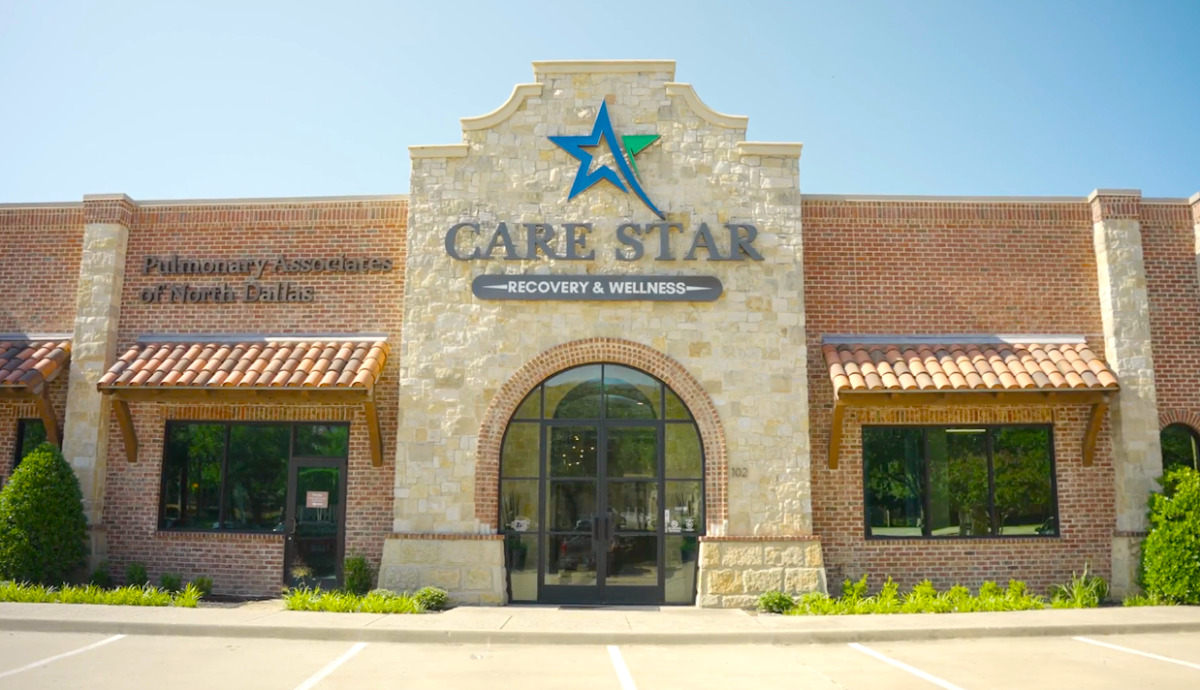
- Addiction Treatment Centers: Numerous addiction treatment centers in Dallas specialize in MAT.
When choosing a MAT provider, it's important to consider factors such as their experience, credentials, treatment philosophy, and the services they offer. Ask questions and ensure that you feel comfortable and supported by the provider.
Insurance Coverage for MAT
Most health insurance plans, including private insurance, Medicaid, and Medicare, cover MAT services. However, the extent of coverage may vary depending on the specific plan. It's essential to contact your insurance provider to understand your coverage benefits for MAT, including medication costs, counseling sessions, and any prior authorization requirements. Many MAT providers also offer payment assistance programs or sliding scale fees for individuals who are uninsured or underinsured.
Addressing Stigma Around MAT
Unfortunately, stigma surrounding MAT persists, often stemming from misconceptions about addiction and the role of medication in treatment. Some people believe that MAT is simply replacing one addiction with another or that it's not "true" recovery. These beliefs are harmful and inaccurate. MAT is an evidence-based treatment that saves lives and helps people achieve lasting recovery. Education and open conversations are essential to dispel these myths and promote acceptance of MAT as a legitimate and effective treatment option.
Success Rates of MAT
Research consistently demonstrates the effectiveness of MAT in treating opioid and alcohol use disorders. Studies have shown that MAT can:
- Reduce opioid overdose deaths by 50% or more.
- Decrease illicit drug use and criminal activity.
- Improve treatment retention rates.
- Enhance overall quality of life.
While MAT is not a cure for addiction, it significantly increases the chances of achieving and maintaining long-term recovery when combined with counseling and other support services.
Who Benefits Most from MAT?
MAT can benefit a wide range of individuals struggling with opioid or alcohol use disorders. It's particularly helpful for people who:
- Have experienced repeated relapses.
- Struggle with intense cravings and withdrawal symptoms.
- Have co-occurring mental health conditions.
- Have not been successful with other treatment approaches.
Ultimately, the decision to pursue MAT is a personal one that should be made in consultation with a qualified healthcare professional. If you or someone you know is struggling with addiction, exploring MAT options in Dallas, TX, could be a crucial step toward a healthier and more fulfilling life. Remember, recovery is possible, and MAT can be a powerful tool on that journey.
More Recovery Resources in Dallas
Sober Network is a directory, not an intake form. Explore local facilities and contact providers directly.